
New Australian research highlights the skills, systems and manufacturing capabilities shaping the future of industrialised construction — and why an integrated approach is essential to delivering more housing.
A changing approach to construction
Modern Methods of Construction (MMC) are increasingly recognised as an important part of Australia’s response to housing demand, workforce constraints and construction productivity.
A new report, Modern Methods of Construction: Workforce and Skills Implications, developed by BuildSkills Australia, the Manufacturing Industry Skills Alliance and Skills Insight, examines what the transition towards industrialised construction means for Australia’s workforce, training systems and building delivery models.
Its findings reinforce an important industry direction: realising the benefits of MMC requires more than moving construction activities into a factory.
It requires a coordinated approach to design, engineering, procurement, manufacturing, quality assurance and installation, supported by a workforce that understands how these activities operate as an integrated system. For modular manufacturers such as ModnPods, this approach is already central to how buildings are designed, manufactured and delivered.
Manufacturing capability starts with the system
One of the report’s central findings is that the productivity potential of MMC depends on standardisation, repeatability, process control and early design resolution.
In an industrialised construction environment, decisions made during design directly influence manufacturing efficiency, material utilisation, production sequencing and installation.
This creates opportunities for manufacturers to develop systems that can be refined and repeated across multiple buildings, while retaining the flexibility required for different projects and site conditions.
Connecting design, engineering and manufacturing
The report identifies professional and paraprofessional capability as one of the most important areas for development within the MMC workforce.
Architects, engineers, draftspersons, project managers, estimators and other specialists play a critical role in determining whether projects can be efficiently manufactured, transported and assembled.
This places greater importance on collaboration and technical coordination throughout the early stages of project development.
ModnPods supports this approach through a dedicated in-house design team working alongside specialist architectural, engineering and consultants.
Our design process considers manufacturing parameters, structural requirements, building services, compliance, transport limitations and installation methodology from the early stages.
Digital design workflows, including Revit 3D modelling and coordinated documentation, support the development and communication of design information before manufacturing begins.
By connecting these disciplines, we aim to improve design resolution, reduce unnecessary rework and provide clearer information for manufacturing and delivery teams.
Advanced manufacturing and repeatable production
As MMC adoption develops, the report highlights the importance of manufacturing systems that support repeatable processes and more efficient use of labour.
This includes production planning, process standardisation, quality control and the application of specialised manufacturing technologies.
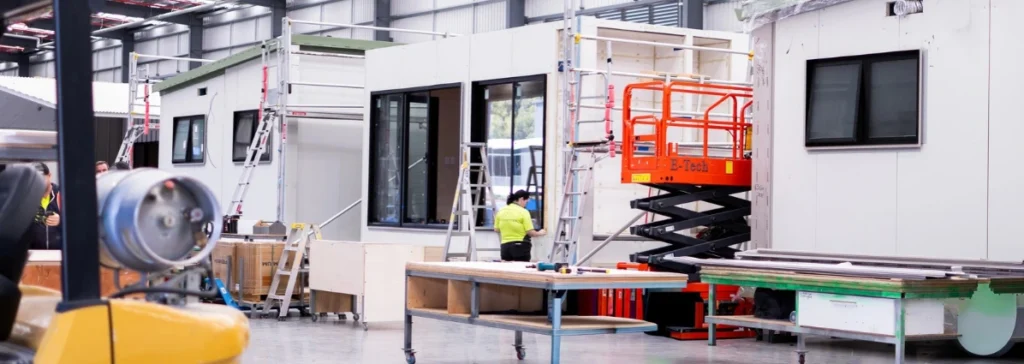
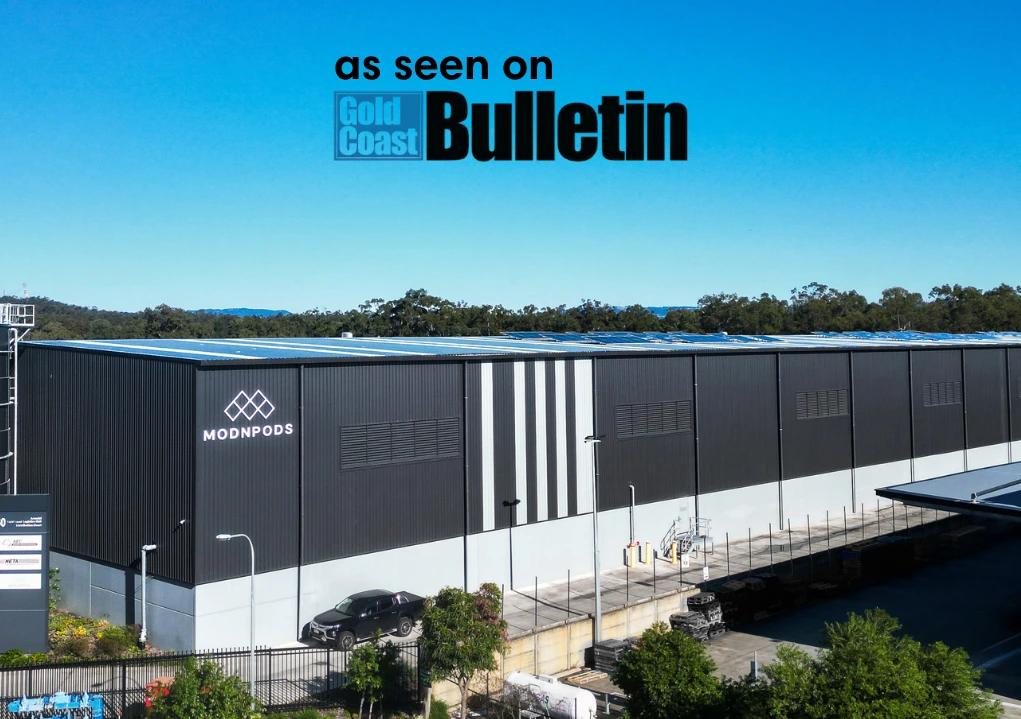
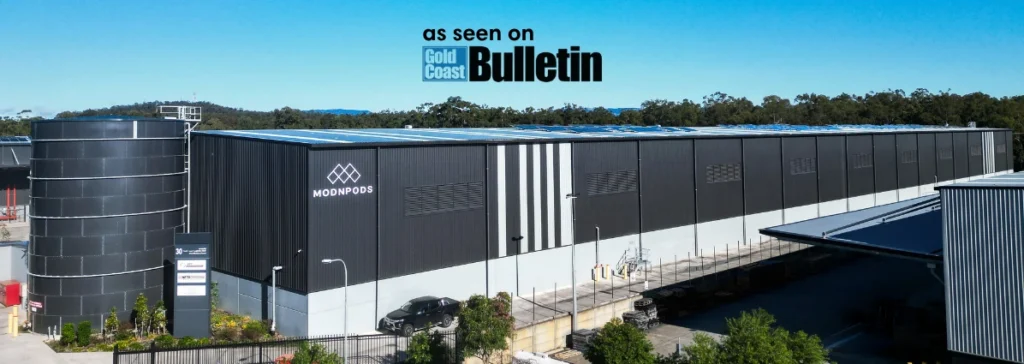
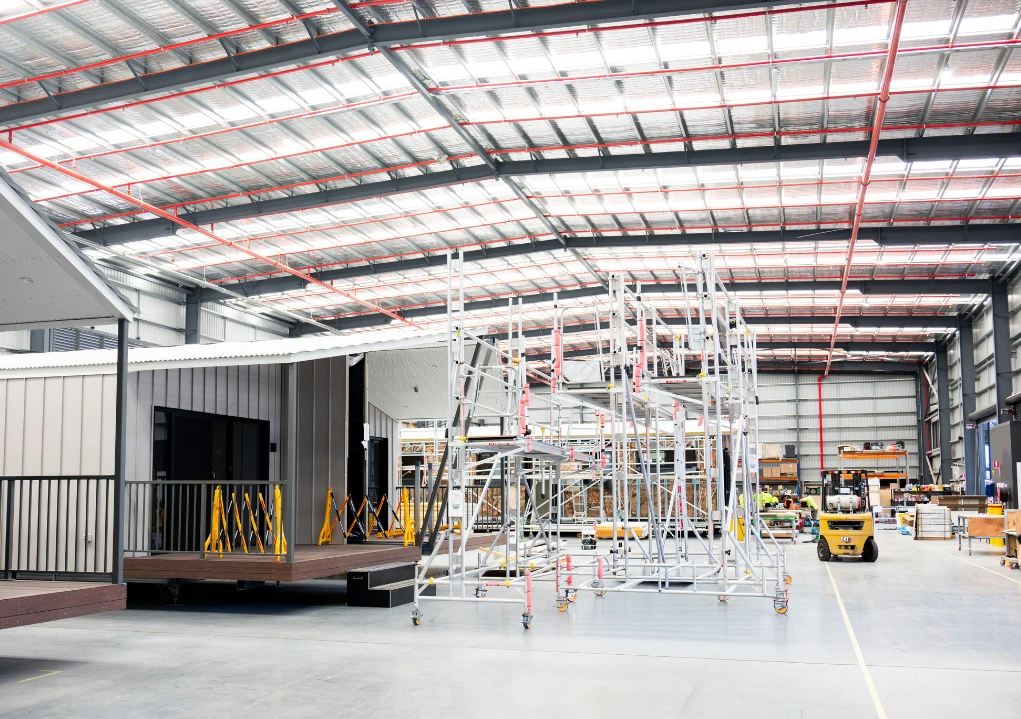
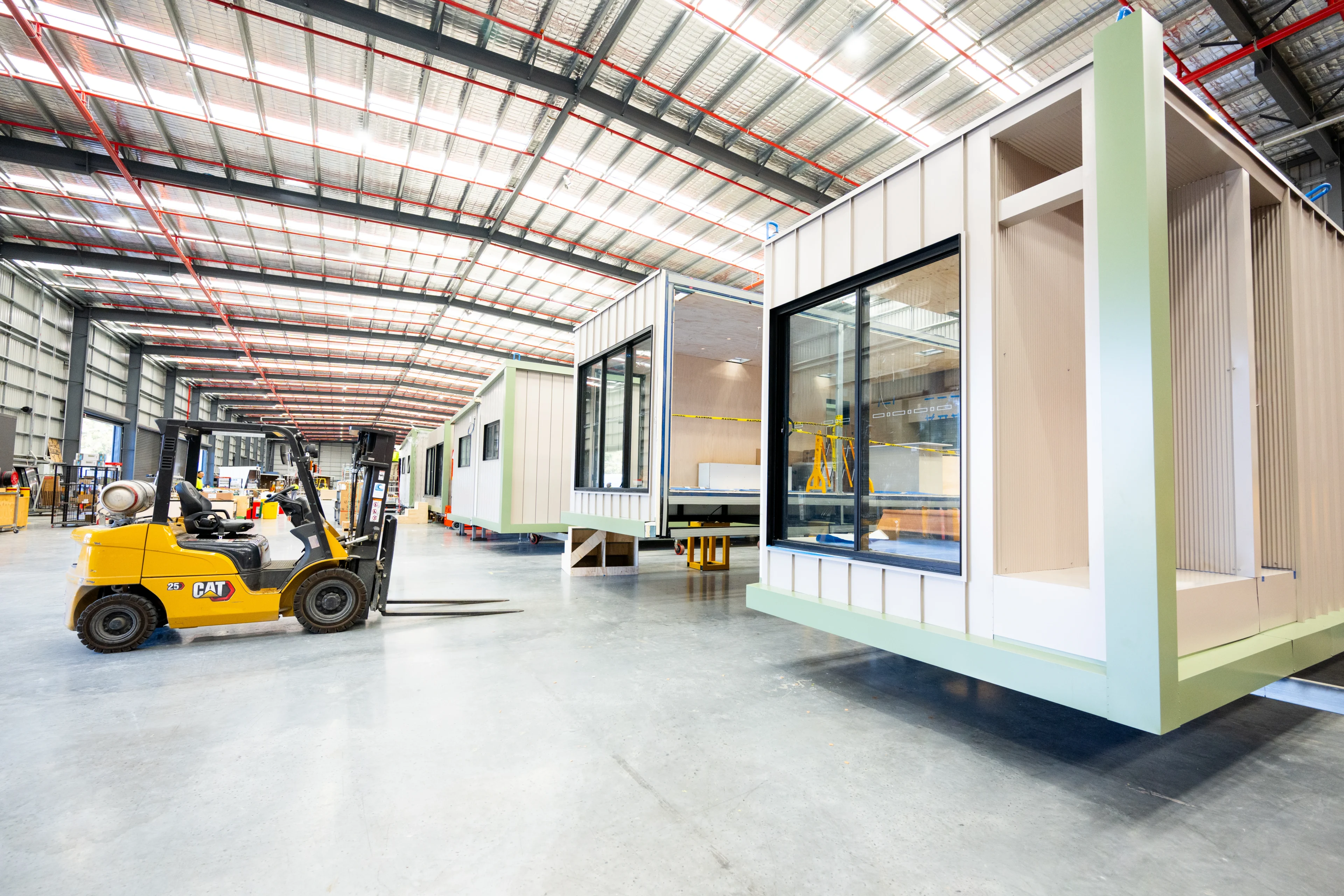
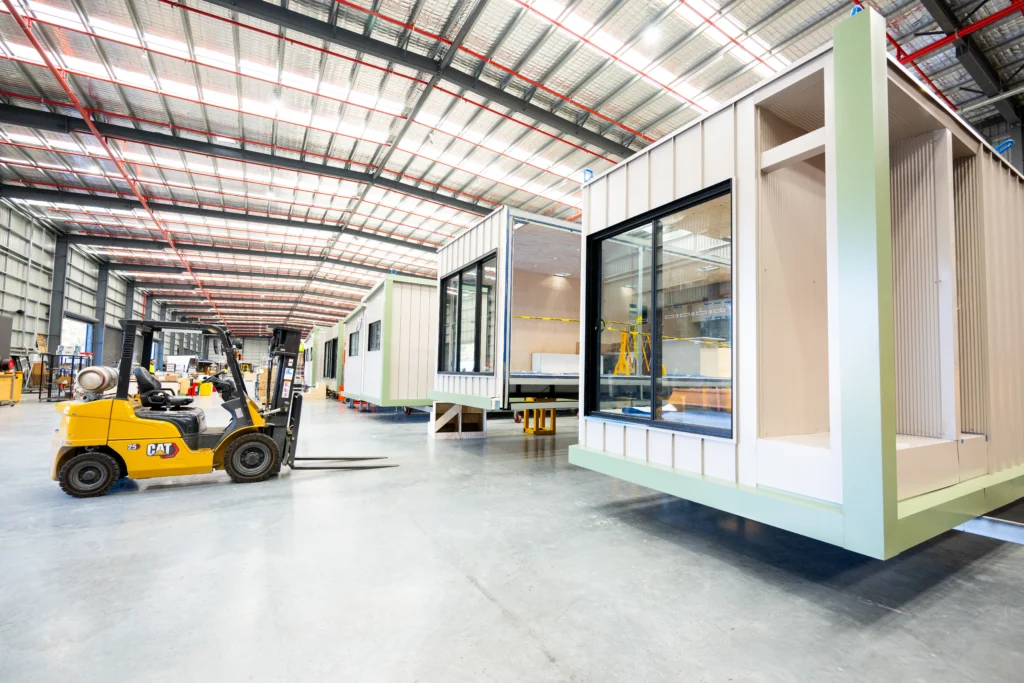
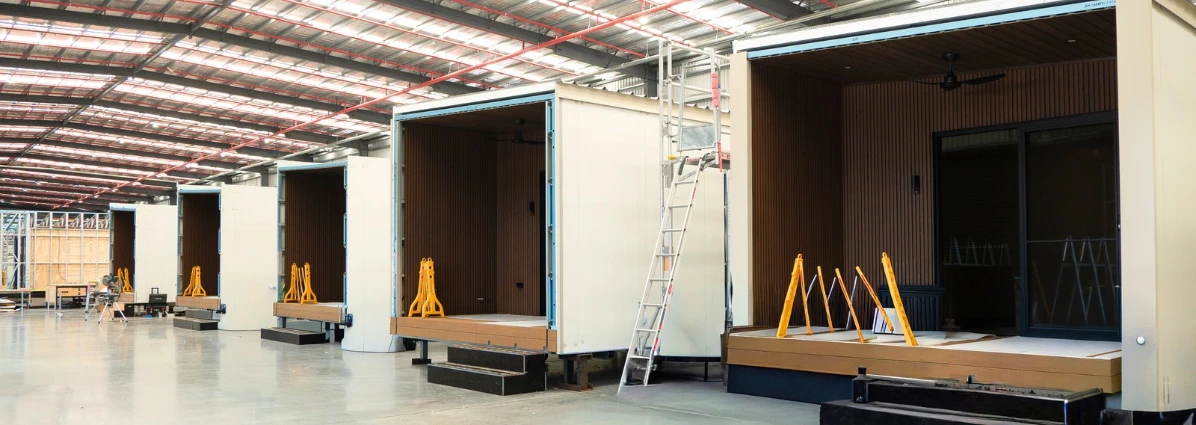
At ModnPods, our 6,300m² manufacturing facility in Gold Coast, Queensland, brings together dedicated cutting, assembly and finishing operations.
Our TAC 2 manufacturing system is designed to support efficient and scalable modular production, while specialised equipment provides opportunities to improve consistency and manufacturing throughput.
One example is our purpose-built ModnCoat system, which automates the finishing of internal plywood wall linings. The process supports consistent architectural finishes while reducing the labour and production time associated with conventional painting.
These investments reflect our focus on developing manufacturing capability through both technology and continuous process improvement.
As demand for modular housing grows, our planned transition towards a two-shift manufacturing operation is intended to further expand production capacity and support larger housing programs.
Quality assurance as part of the manufacturing process
The report also explores how industrialised construction changes the approach to building compliance and quality assurance.
As more building work takes place in controlled manufacturing environments, documented processes, production traceability and quality management become increasingly important.
Rather than relying solely on inspection at the final construction site, MMC creates opportunities to verify quality throughout manufacturing, transport and installation.
At ModnPods, quality assurance is embedded across the production process.
Our operations are supported by ISO 9001 Quality Management, ISO 14001 Environmental Management and ISO 45001 Occupational Health and Safety management systems.
Developing the workforce for industrialised construction
A particularly relevant finding from the report is that Australia’s existing education and training pathways already provide many of the foundational skills needed to support MMC.
Rather than establishing an entirely new workforce, the research recommends targeted professional upskilling and structured workplace learning that develops capability within specific manufacturing systems.
For manufacturers, this places importance on practical training, knowledge transfer and continuous improvement.
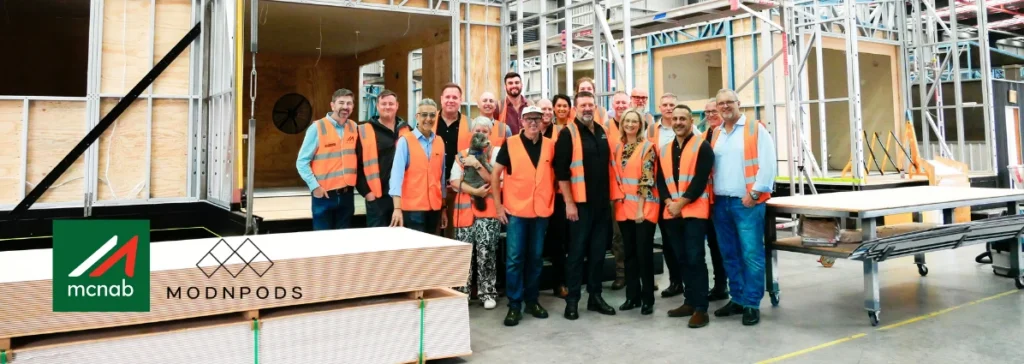
At ModnPods, workforce development forms part of our long-term manufacturing strategy.
Through apprenticeships, training opportunities and hands-on manufacturing experience, we support the development of skills across manufacturing and modular production.
Our manufacturing environment also provides opportunities for workers to develop an understanding of how individual activities contribute to the wider production process.
As our operations expand, continuing to strengthen these capabilities will be essential to supporting quality, productivity and manufacturing growth.
From manufacturing capability to housing delivery
The opportunity presented by MMC extends beyond individual buildings.
For government agencies, community housing providers and private developers, repeatable manufacturing systems can support the delivery of housing programs across multiple sites and locations.
The potential advantages become particularly relevant where projects involve standardised dwelling typologies, regional logistics, constrained construction workforces or the need for coordinated delivery at scale.
ModnPods has applied its modular manufacturing approach across government employee housing, regional workforce accommodation, tourism developments and multi-module buildings.
Projects such as government employee housing in Coen and Croydon demonstrate the importance of coordinating building design, transport and installation for regional locations.
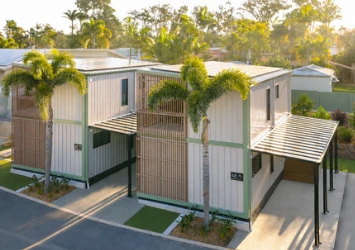
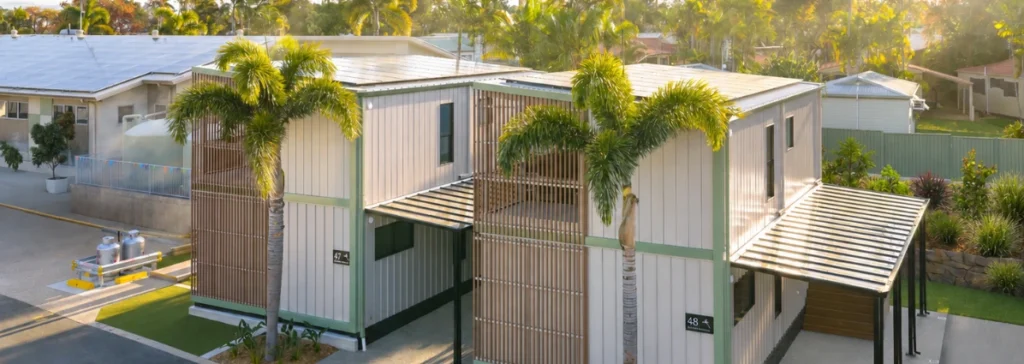
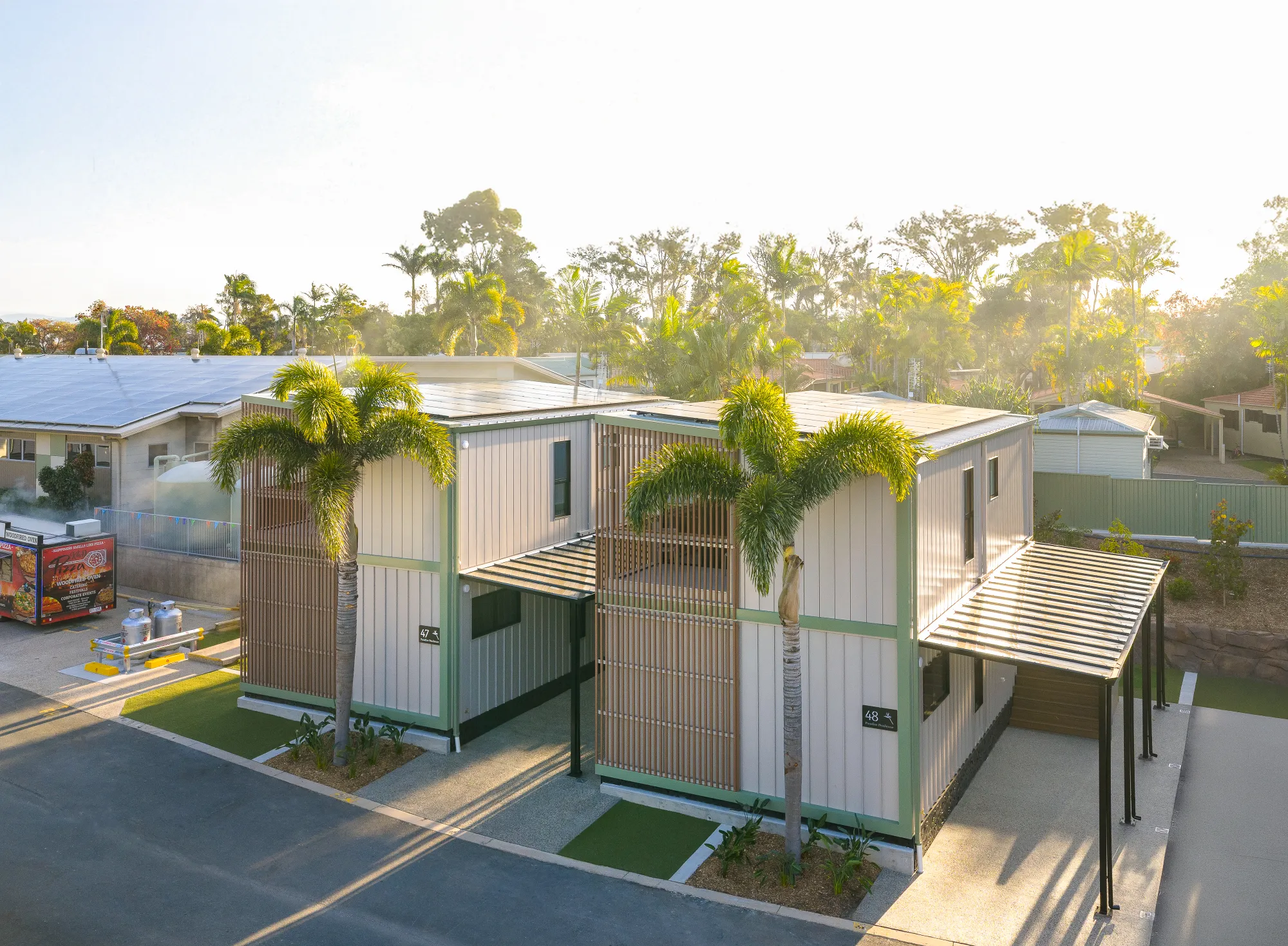
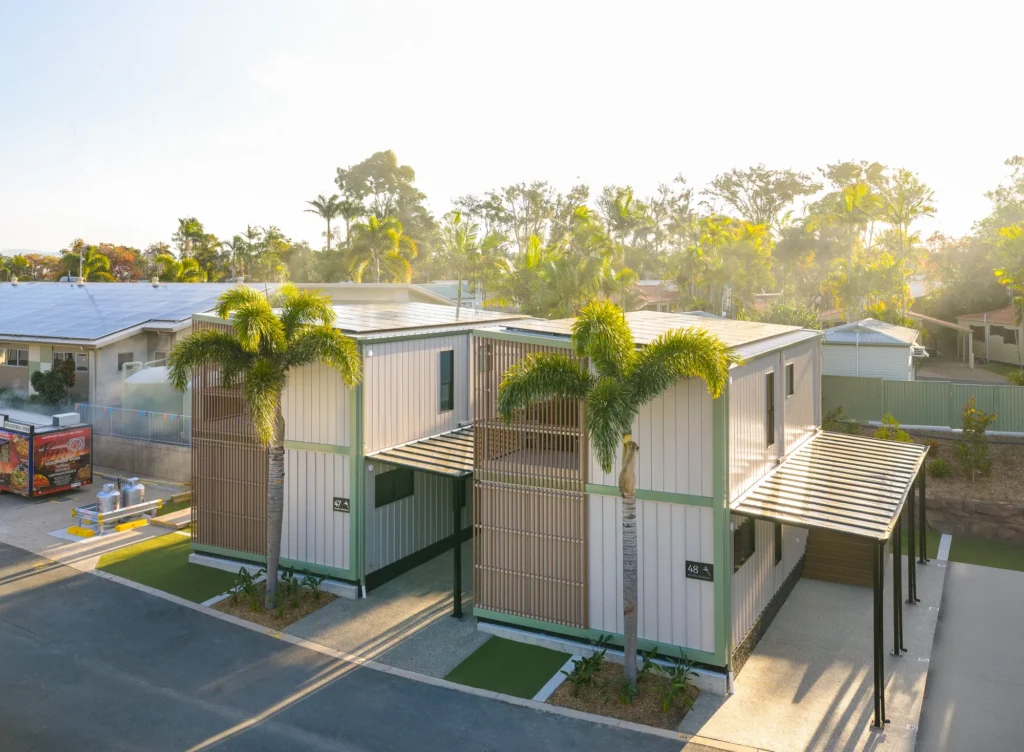
Our two-storey modular development at Ashmore Palms further demonstrates how structural coordination, manufacturing and installation can work together to deliver more complex modular building configurations.
These projects contribute to our ongoing development of repeatable manufacturing systems and the capability required for larger modular and hybrid developments.
Building the next stage of MMC in Australia
The Modern Methods of Construction: Workforce and Skills Implications report provides an important perspective on the industry’s next stage of development.
The transition towards industrialised construction will depend on coordinated investment in people, production systems, digital capability, quality assurance and manufacturing infrastructure.
For ModnPods, these are connected priorities.
Our focus remains on strengthening the relationship between design and manufacturing, developing our workforce, refining repeatable production systems and expanding our ability to deliver quality modular buildings at scale.
“The future of MMC will be shaped by the capability of the systems behind the buildings — and the people who bring them together”.
As Australia continues to explore new approaches to housing delivery, integrated modular manufacturing has an important role to play in building that future.
Frequently asked questions
Does Modern Methods of Construction require an entirely new construction workforce?
No. Australia’s existing education and training pathways already provide many of the foundational skills needed to support MMC. Rather than establishing an entirely new workforce, the research recommends targeted professional upskilling and structured workplace learning that develops capability within specific manufacturing systems.
What determines whether MMC delivers productivity gains?
The productivity potential of MMC depends on standardisation, repeatability, process control and early design resolution. In an industrialised construction environment, decisions made during design directly influence manufacturing efficiency, material utilisation, production sequencing and installation.
Which roles are most affected by the shift to industrialised construction?
The report identifies professional and paraprofessional capability as one of the most important areas for development within the MMC workforce. Architects, engineers, draftspersons, project managers, estimators and other specialists play a critical role in determining whether projects can be efficiently manufactured, transported and assembled.
How is quality assured when building work moves into a factory?
As more building work takes place in controlled manufacturing environments, documented processes, production traceability and quality management become increasingly important. Rather than relying solely on inspection at the final construction site, MMC creates opportunities to verify quality throughout manufacturing, transport and installation. At ModnPods, quality assurance is embedded across the production process, supported by ISO 9001 Quality Management, ISO 14001 Environmental Management and ISO 45001 Occupational Health and Safety management systems.
Can modular manufacturing support housing delivery across multiple sites?
For government agencies, community housing providers and private developers, repeatable manufacturing systems can support the delivery of housing programs across multiple sites and locations. The potential advantages become particularly relevant where projects involve standardised dwelling typologies, regional logistics, constrained construction workforces or the need for coordinated delivery at scale.
Source
BuildSkills Australia, Manufacturing Industry Skills Alliance and Skills Insight, Modern Methods of Construction: Workforce and Skills Implications (2026). Full report: buildskills.com.au/mmc
Explore: ModnPods modular housing solutions
Planning a modular housing or accommodation project? Start your next project here.