
Why modular starts at the design stage
From DfMA and digital coordination to a more connected design-to-manufacture ecosystem
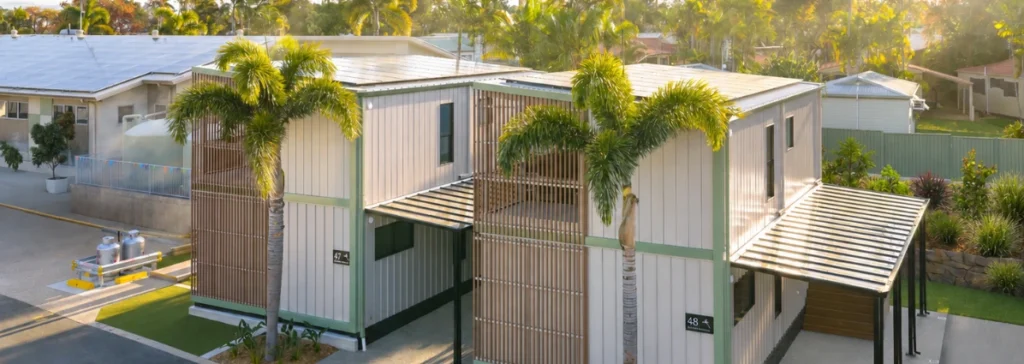
The advantages of modular manufacturing do not begin when a module enters the factory.
They begin much earlier — during design.
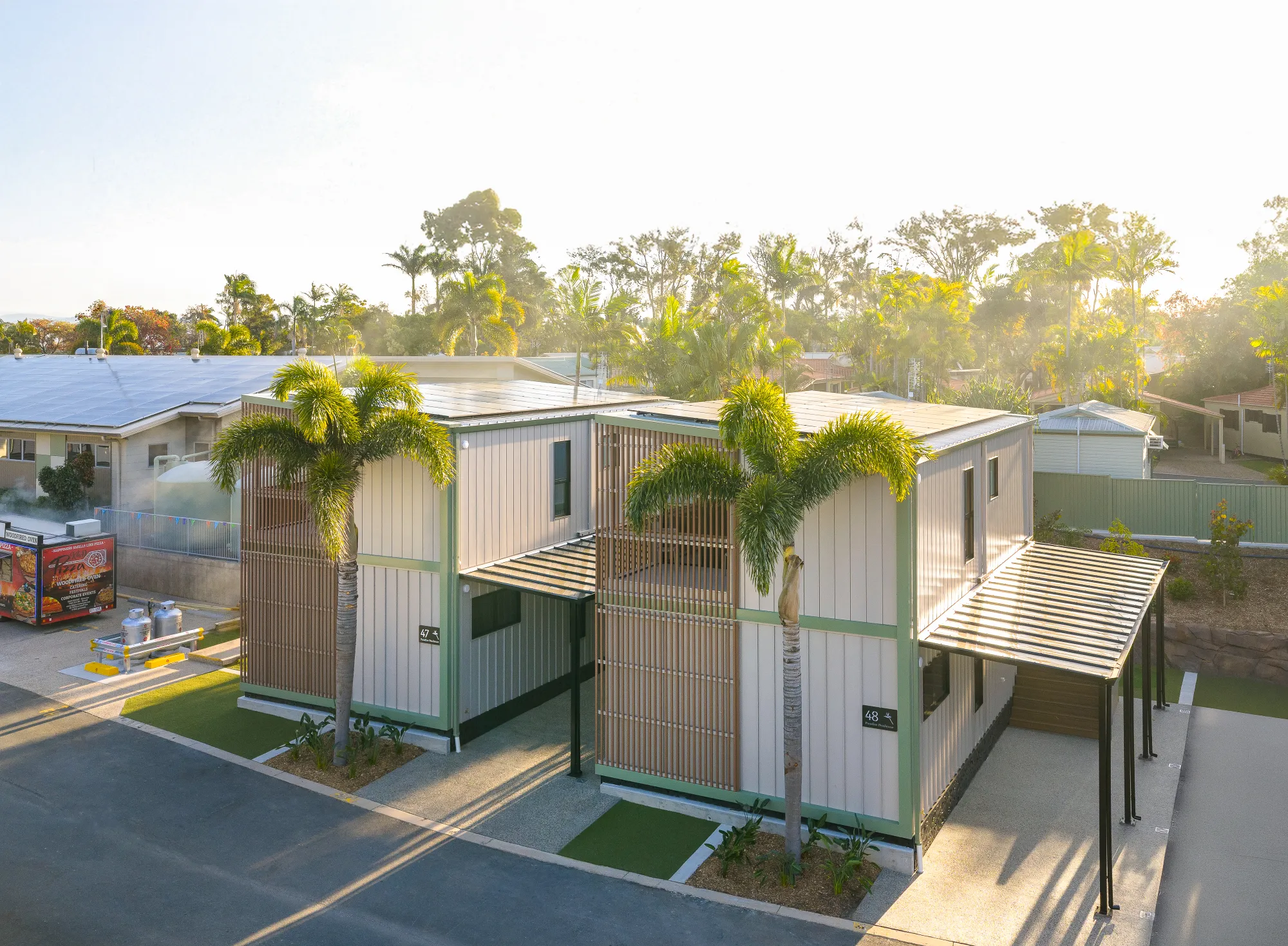
For a modular project to perform effectively, decisions around architecture, structure, services, materials, transport, installation, manufacturing, and adaptation to site conditions and constraints need to work together. The earlier these requirements are considered, the greater the opportunity to resolve complexity before it reaches production.
At ModnPods, this is why we advocate for early design involvement.
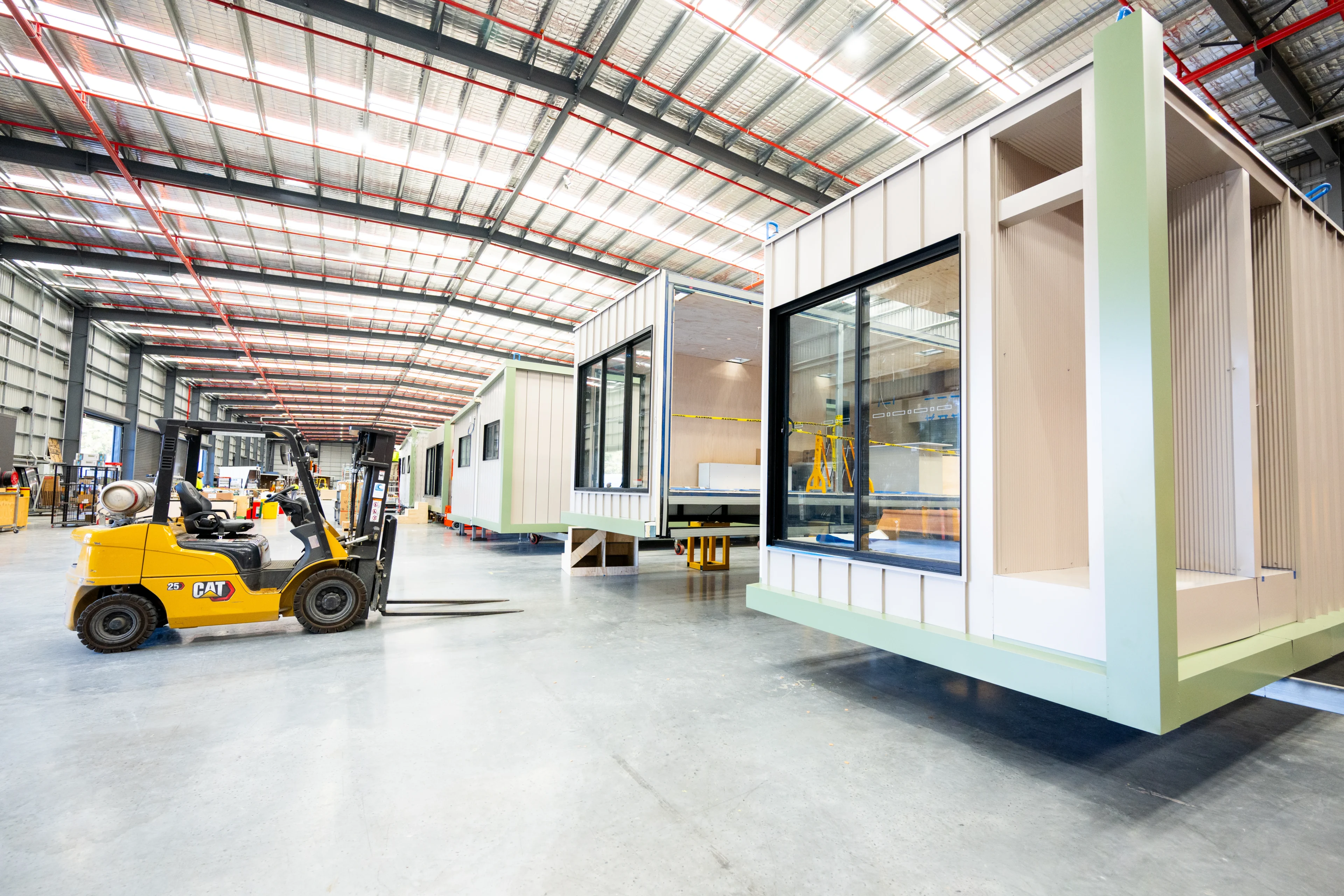
Modular is not simply a conventional building designed first and manufactured somewhere else later. It is a different delivery methodology — one where design decisions directly influence how efficiently a building can be manufactured, transported and installed.
Designing for the entire modular delivery process
Traditional design processes can sometimes separate design development from the realities of how a building will ultimately be delivered.
Modular requires a different mindset.
From the early stages of a project, the design needs to consider factors such as site constraints, transport and access, module dimensions, services, structural requirements, repeatability, compliance and installation methodology.
At ModnPods, these considerations form part of a staged design process intended to ensure buildings are not simply compliant, but buildable, repeatable and ready for manufacturing and installation.
Getting these conversations started early also allows the architectural intent to evolve alongside the modular strategy, rather than trying to adapt an already resolved design to suit manufacturing later.
What is DfMA: connecting design with manufacturing
Design for Manufacture and Assembly — DfMA — sits at the centre of this approach.
In simple terms, DfMA asks us to think about how a building will be made and assembled while it is still being designed.
That means looking beyond the finished architectural outcome and considering the systems behind it.
- Where can layouts be repeated?
- Can wet areas or service zones be coordinated consistently?
- Which junctions and details can be resolved as repeatable solutions?
- How will materials move through manufacturing?
- How will modules be transported?
- Where will modules connect on site?
These questions can influence design decisions from the beginning.
The objective is not to standardise every part of a project. It is to identify where standardisation and repeatability create value, while maintaining the flexibility required to respond to the architecture, the site and the client’s brief.
Just think about how LEGO has evolved and transformed their standardisation into versatile, unique and authentic build making them the most creative fun modular builders in the planet!
Resolving design more before modular manufacturing begins
In off-site manufacturing, unresolved design decisions can have a ripple effect.
A change to a wall may affect structure. A service change may affect cabinetry, framing or procurement. A late dimensional change may influence transport or the connection between modules.
This is why design resolution matters.
Early coordination gives the project team a greater opportunity to identify these interfaces before they become manufacturing issues.
It also creates the conditions for procurement, engineering and production planning to work efficiently.
For clients, architects and delivery partners, that can mean fewer coordination gaps and less redesign later in the programme.
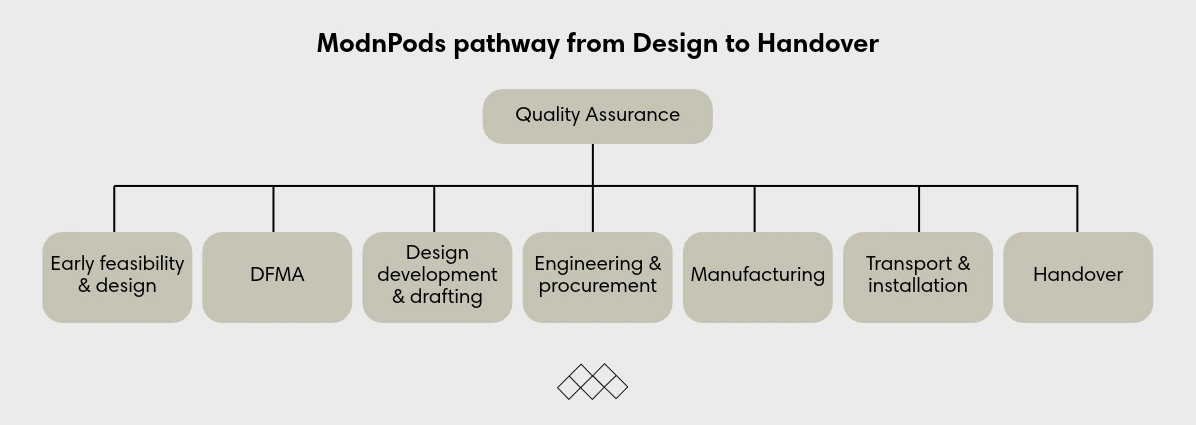
ModnPods’ broader turnkey approach already brings feasibility, design, approvals, procurement, manufacturing, transport and installation into one coordinated delivery pathway, with design aligned to manufacturing from the start.
How design development & drafting connects modular design to the factory
As modular manufacturing evolves, digital tools are becoming increasingly important in connecting design information with the factory.
Our design team uses Revit 3D modelling and coordinated digital documentation to develop, review and resolve design information before manufacturing begins, with Monday.com supporting project coordination across the broader delivery process.Visualisation tools can also help teams and clients understand design outcomes earlier, while coordinated models provide the detailed information required for technical resolution.
From feasibility to a connected ecosystem
The long-term direction is a flow of reliable project information from early feasibility and design through engineering, estimating, procurement, manufacturing, quality assurance, logistics, installation and ultimately handover.
Instead of information repeatedly being recreated, transferred or interpreted between disconnected stages, we prepare a more integrated digital workflow that can allow project information to develop progressively as the project moves forward.
Better information creates better manufacturing
For ModnPods technology itself is not the end goal, the goal is greater clarity; better coordinated information can help project teams make decisions earlier, reduce unnecessary duplication and provide manufacturing teams with clearer information when production begins.
That is particularly important when delivering modular projects at scale.
Repeatability creates the opportunity to refine systems across multiple modules while digital coordination allows those systems to be documented, communicated and continually improved.
Combined with DfMA and lean manufacturing principles, this creates a feedback loop between design and production: what is learned on the factory floor can support the improvement of a next design, and better design information can improve the manufacturing process.
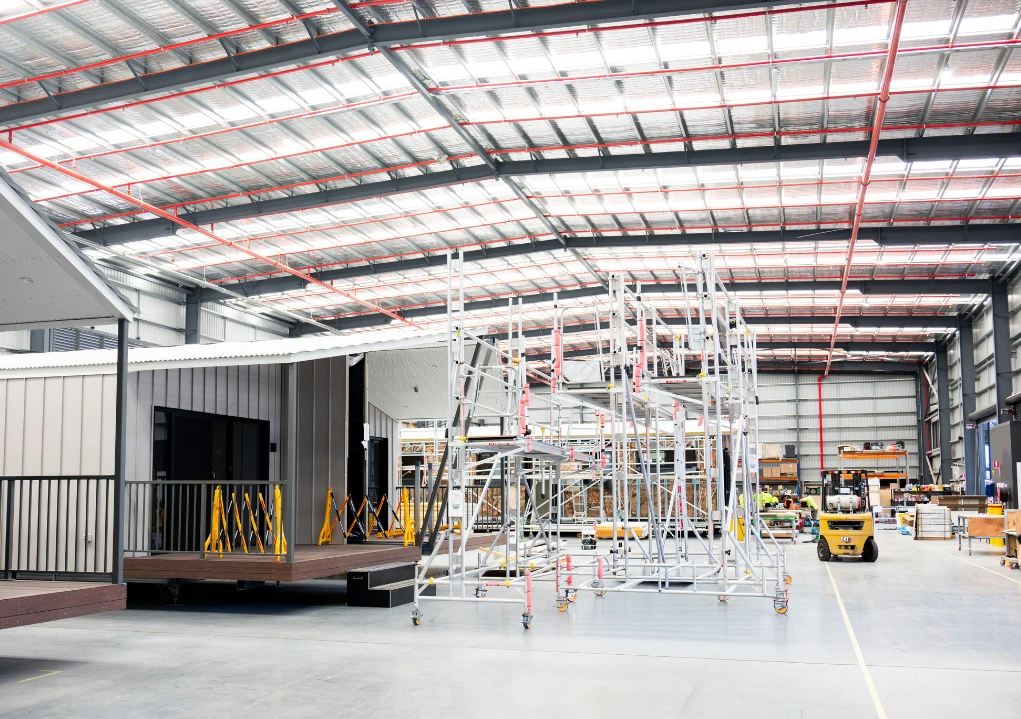
ModnPods’ existing approach already brings its production and design teams together to identify opportunities for greater efficiency and reduction of waste.
Early involvement is where the opportunity starts
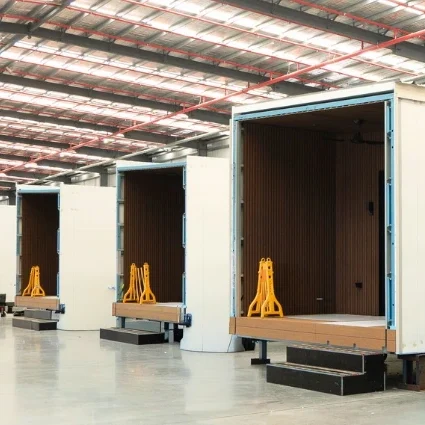
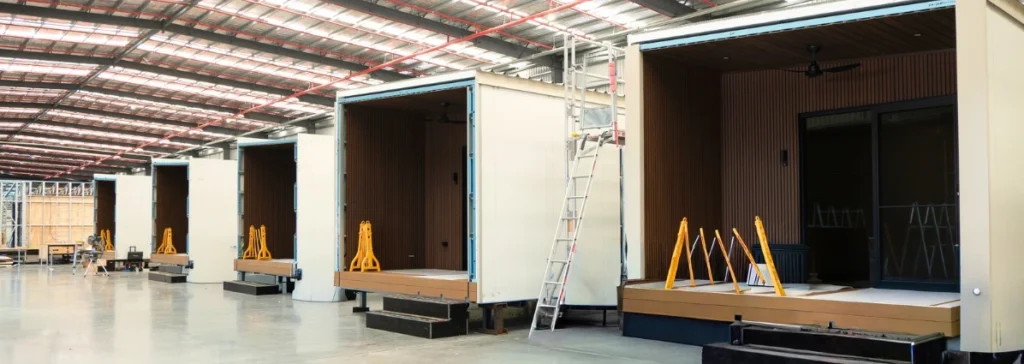
Modular works best when manufacturing is not treated as the final step in the design process. It works best when design, manufacturing, transport and installation are considered together from the start.
That does not mean limiting architectural thinking. It means giving design a deeper understanding of how the building will ultimately be made.
DfMA, BIM and increasingly connected digital workflows give us the tools to do that with better precision.
We believe that the future of modular manufacturing is about creating a clearer connection between what we design, the information we create and what we manufacture.
Design with intent. Manufacture with certainty.
FAQ
What is DfMA in modular construction?
Design for Manufacture and Assembly — DfMA — sits at the centre of this approach. In simple terms, DfMA asks us to think about how a building will be made and assembled while it is still being designed.
Why does early design involvement matter in modular projects?
For a modular project to perform effectively, decisions around architecture, structure, services, materials, transport, installation, manufacturing, and adaptation to site conditions and constraints need to work together. The earlier these requirements are considered, the greater the opportunity to resolve complexity before it reaches production.
What happens if design decisions are left unresolved in modular construction?
In off-site manufacturing, unresolved design decisions can have a ripple effect. A change to a wall may affect structure. A service change may affect cabinetry, framing or procurement. A late dimensional change may influence transport or the connection between modules.
Does DfMA mean standardising every part of a project?
The objective is not to standardise every part of a project. It is to identify where standardisation and repeatability create value, while maintaining the flexibility required to respond to the architecture, the site and the client’s brief.